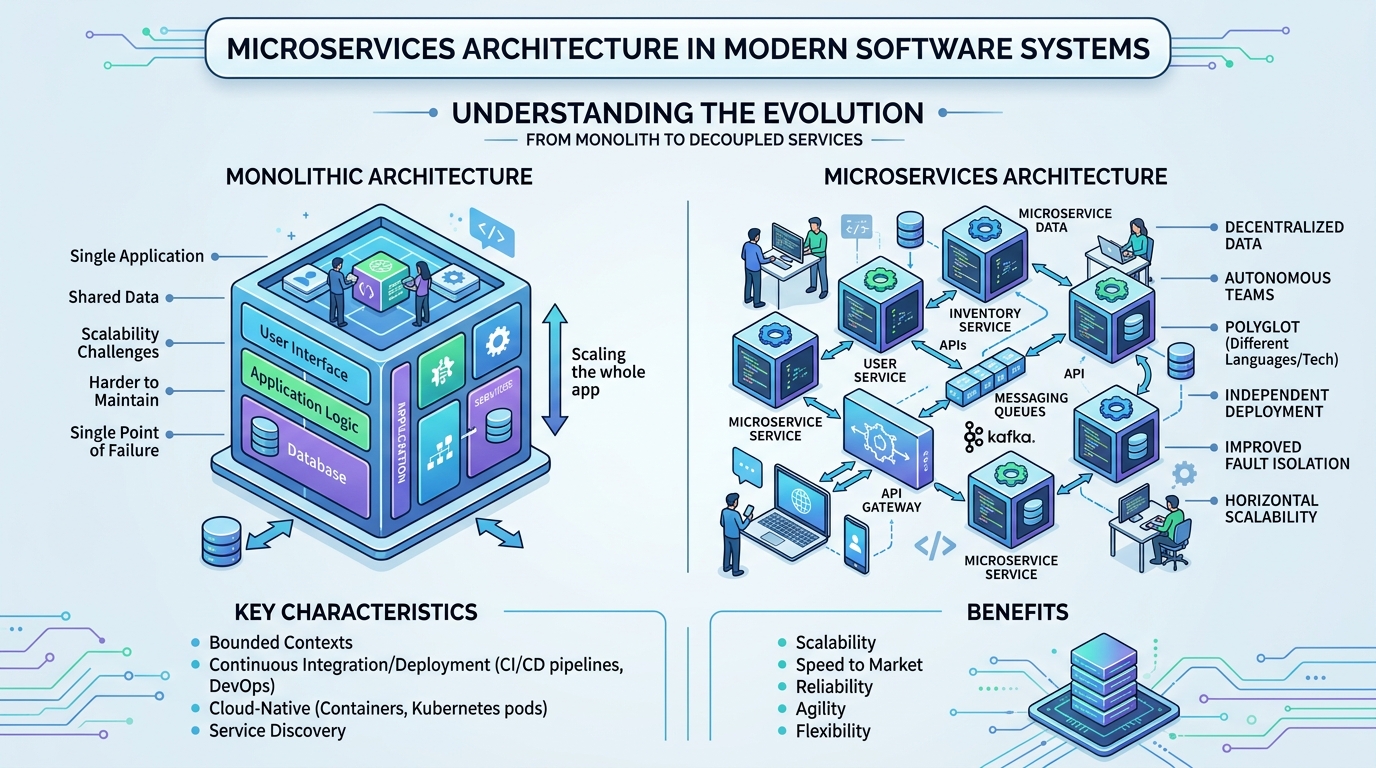

Microservices architecture is a modern approach to building software systems where applications are divided into small, independent services. Each service handles a specific business function and communicates with other services through APIs. This structure allows large applications to become more scalable, flexible, and easier to maintain compared to traditional monolithic systems. It is widely used in production environments where systems need to handle high traffic and continuous updates without downtime.
Service Decomposition and Independent Modules
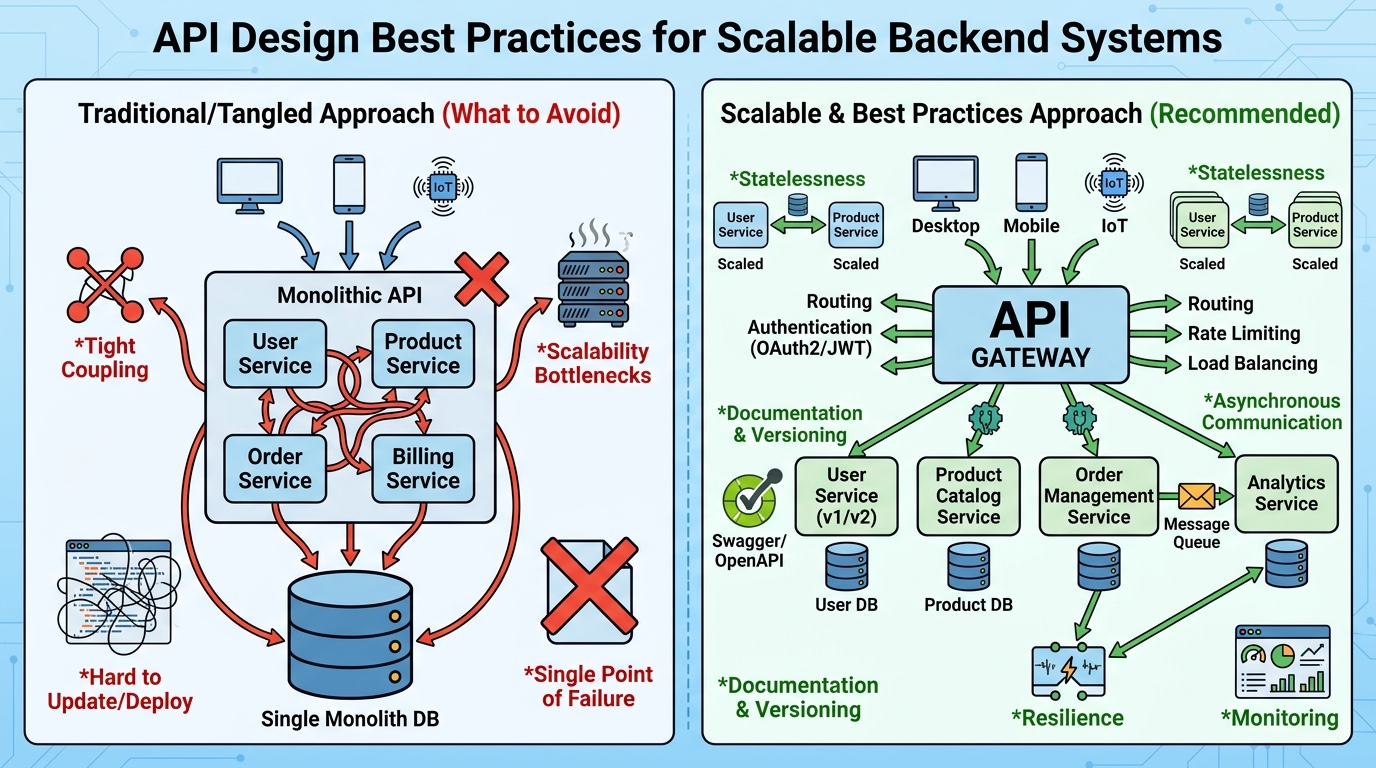
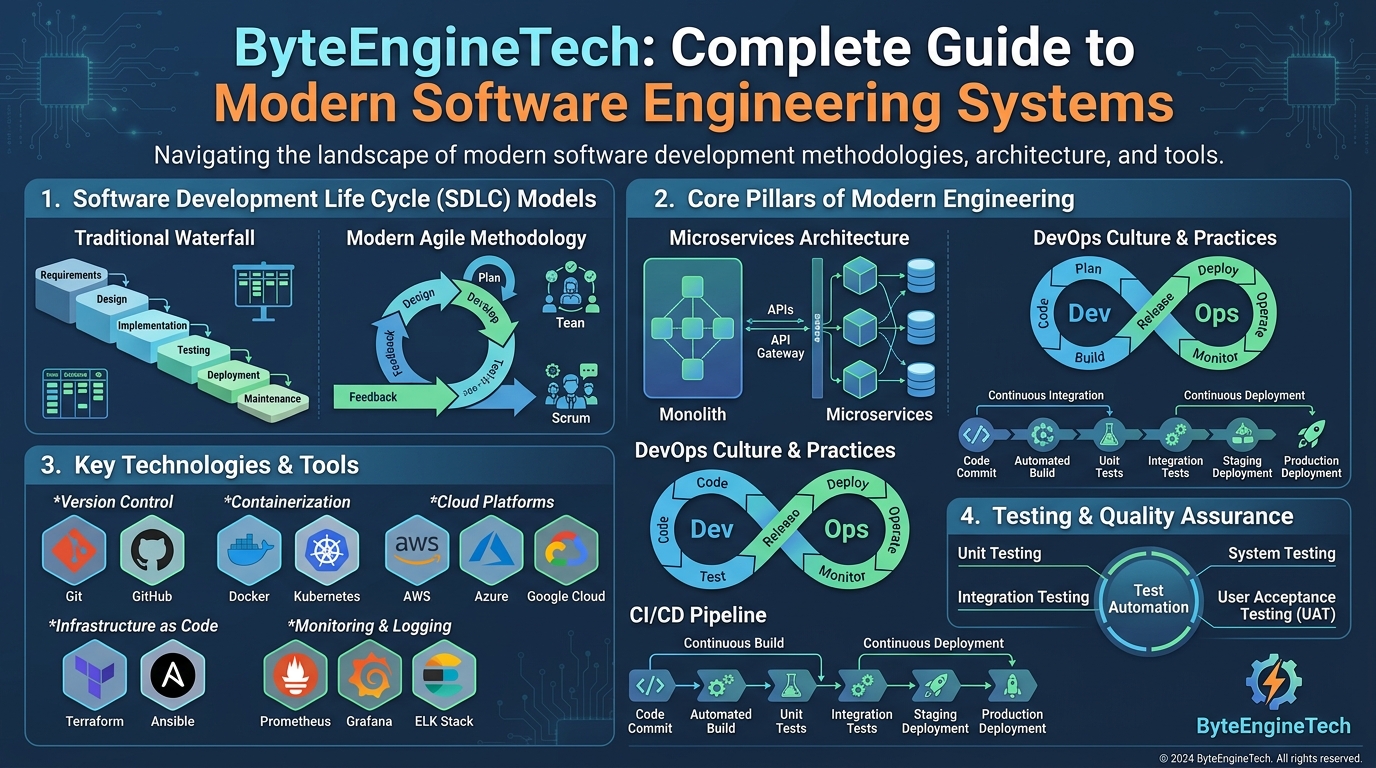
In microservices architecture, applications are broken down into separate services based on business functionality. For example, authentication, payment processing, and user management can all exist as independent services. This separation allows each service to be developed, deployed, and scaled individually without affecting the rest of the system.
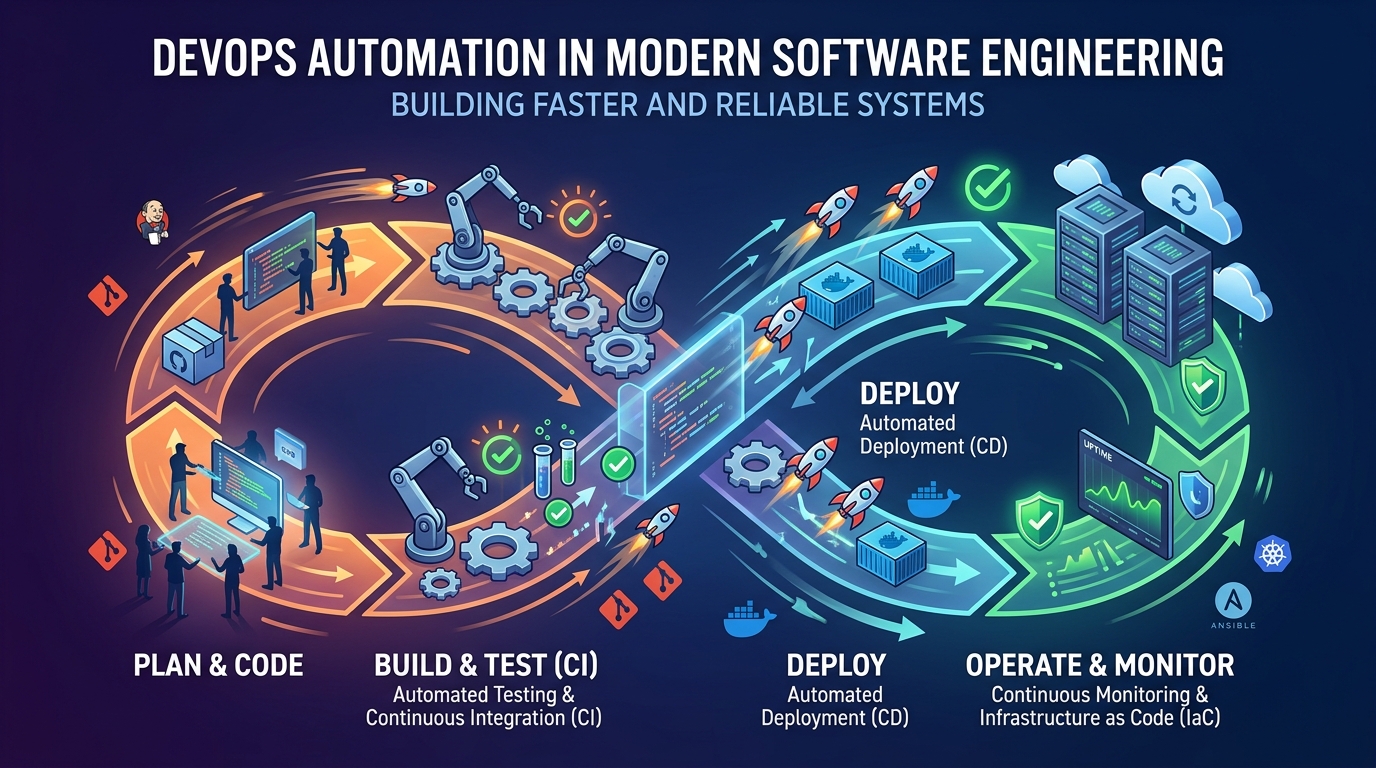
Service decomposition also improves development speed because different teams can work on different services at the same time. Since each service is independent, updates can be deployed faster and more safely. This reduces the risk of breaking the entire system during changes and improves overall system agility.
Communication Between Services and APIs
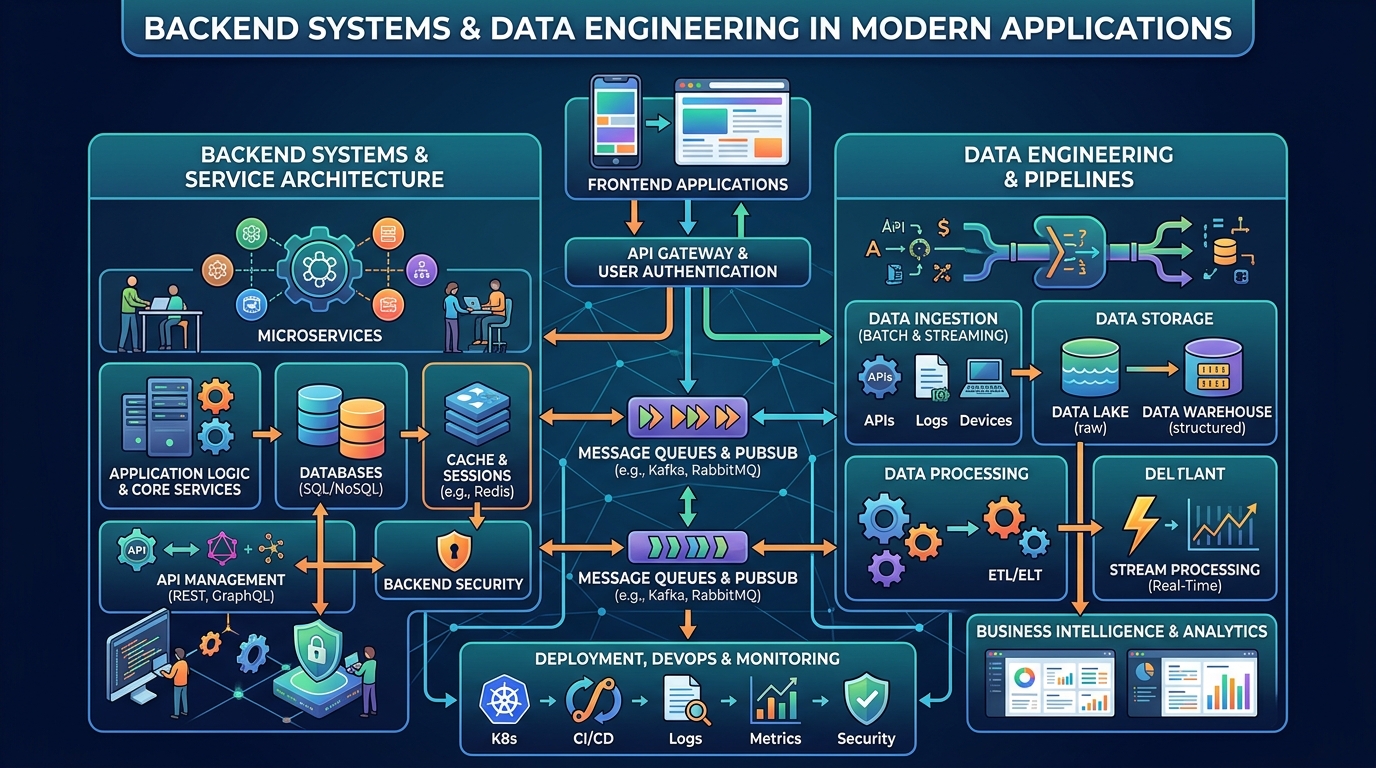
Microservices rely heavily on communication between services, which is usually handled through APIs or message queues. APIs allow services to request and exchange data in a structured and secure way. This ensures that each service can interact with others without being tightly coupled.
In more advanced systems, asynchronous communication is used through message brokers. This allows services to communicate without waiting for immediate responses, improving system performance and reducing delays. Proper communication design is essential to maintain system reliability and efficiency.
Scalability and Load Distribution
One of the biggest advantages of microservices architecture is scalability. Each service can be scaled independently based on its usage and demand. For example, a payment service experiencing high traffic can be scaled without scaling the entire application.
Load distribution is also easier in microservices systems because traffic can be routed to multiple instances of a service. This ensures that no single service becomes a bottleneck. Combined with load balancing, microservices can handle large-scale traffic efficiently while maintaining performance stability.
Fault Isolation and System Resilience
Microservices improve system reliability through fault isolation. If one service fails, it does not necessarily bring down the entire application. Other services can continue functioning normally, which improves overall system resilience.
This isolation is achieved through careful system design and fallback mechanisms. In case of service failure, fallback responses or cached data can be used to maintain user experience. This makes microservices systems highly suitable for mission-critical applications where downtime is not acceptable.
Frequently Asked Questions
What is microservices architecture
It is a software design approach where applications are built as a collection of small, independent services.
Why is microservices better than monolithic architecture
It offers better scalability, flexibility, and easier maintenance compared to a single large system.
How do microservices communicate
They communicate through APIs or message queues depending on system design.
Can microservices be scaled individually
Yes, each service can be scaled independently based on its load and requirements.
What is fault isolation in microservices
It means that failure in one service does not affect the entire system.
Conclusion
Microservices architecture is a powerful approach for building modern scalable software systems. By dividing applications into independent services, it improves flexibility, scalability, and fault tolerance. This architecture allows engineering teams to build complex systems that are easier to maintain and capable of handling large-scale production environments efficiently.