
ByteEngineTech is a software engineering knowledge platform designed to explain how real-world applications are built, deployed, and maintained in production environments. It focuses on practical engineering workflows used in modern tech companies where architecture, automation, backend systems, and developer tools work together as one complete ecosystem. The main purpose of this platform is to help developers understand how scalable, reliable, and high-performance software systems are actually designed in real industry environments rather than only learning theory. It provides a structured way to understand how large-scale systems operate in real production scenarios and how each engineering layer contributes to system stability, performance, and scalability.
Core System Architecture Thinking
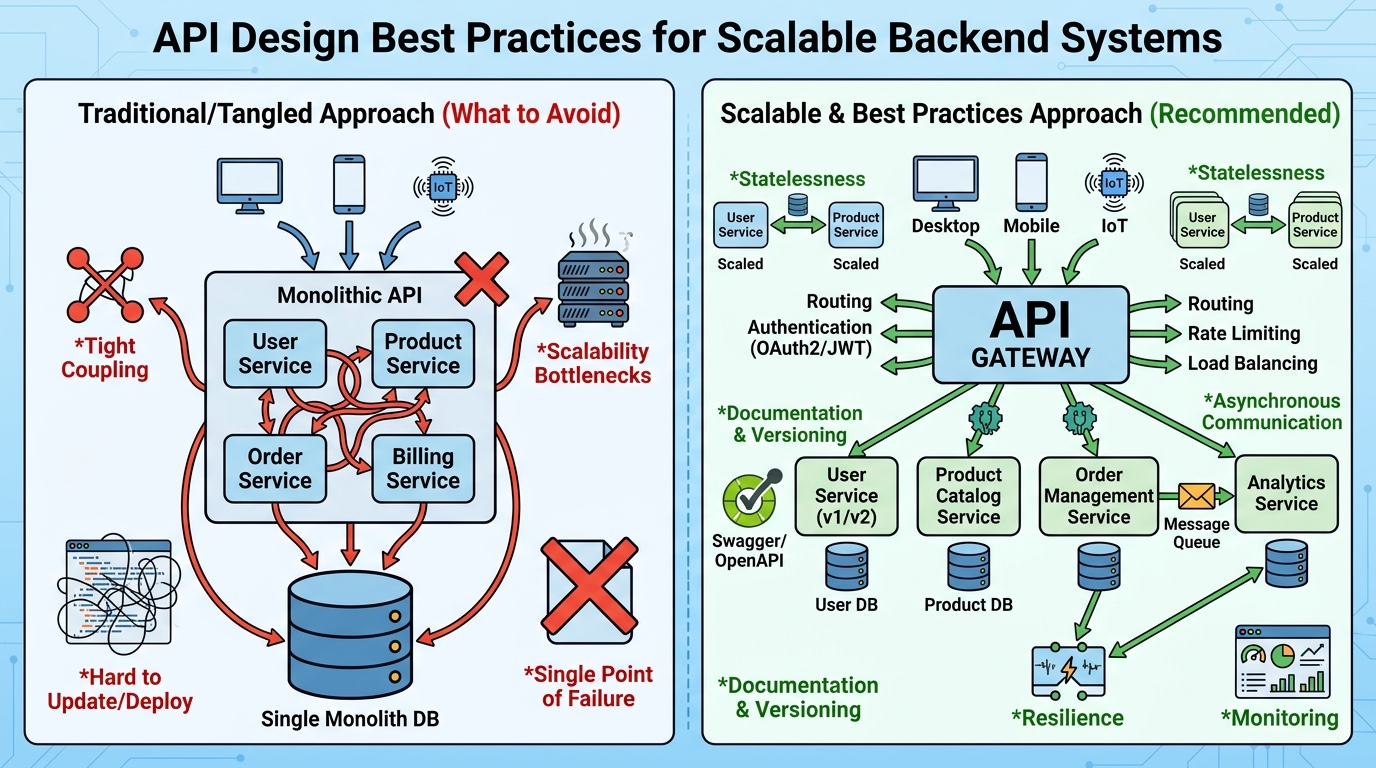
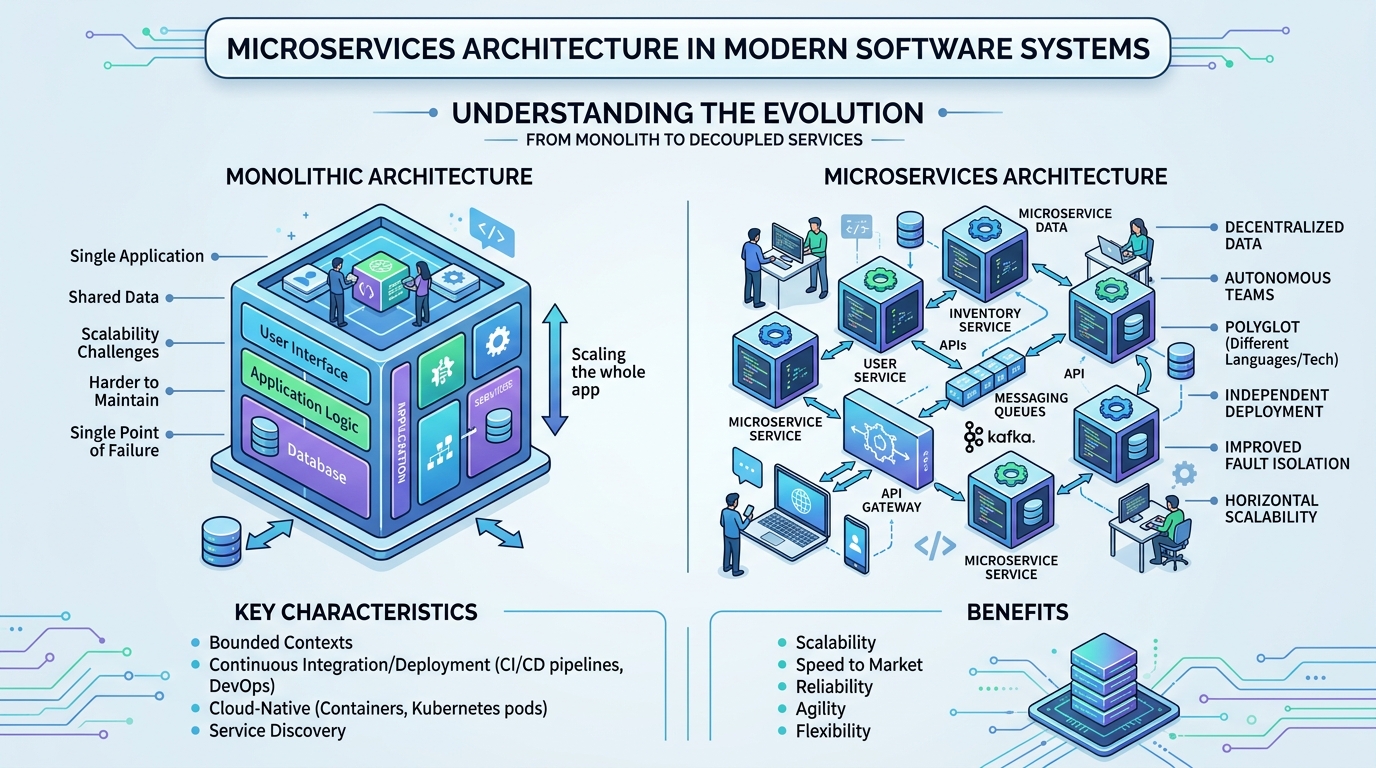
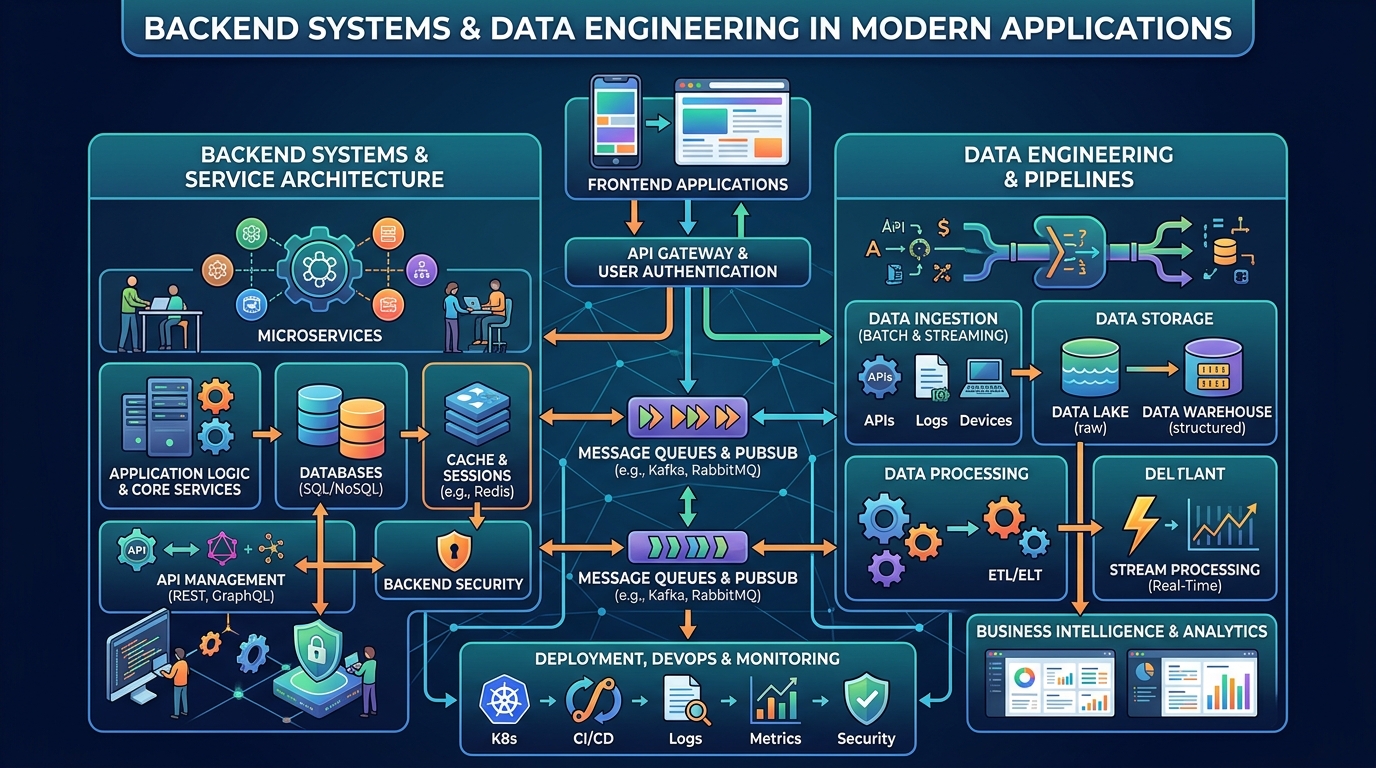
Modern software systems are built using structured architectural thinking that ensures scalability, reliability, and long-term performance. This involves dividing complex applications into smaller components such as services, APIs, databases, and processing layers that communicate with each other in an organized way. The goal is to design systems that can handle increasing users and data without performance issues or failures.
A strong system architecture defines clear separation between system components so each module performs a specific role. This improves maintainability, reduces complexity, and allows teams to develop and scale systems independently without breaking other parts of the application.
Continuous Delivery and Engineering Workflow Automation
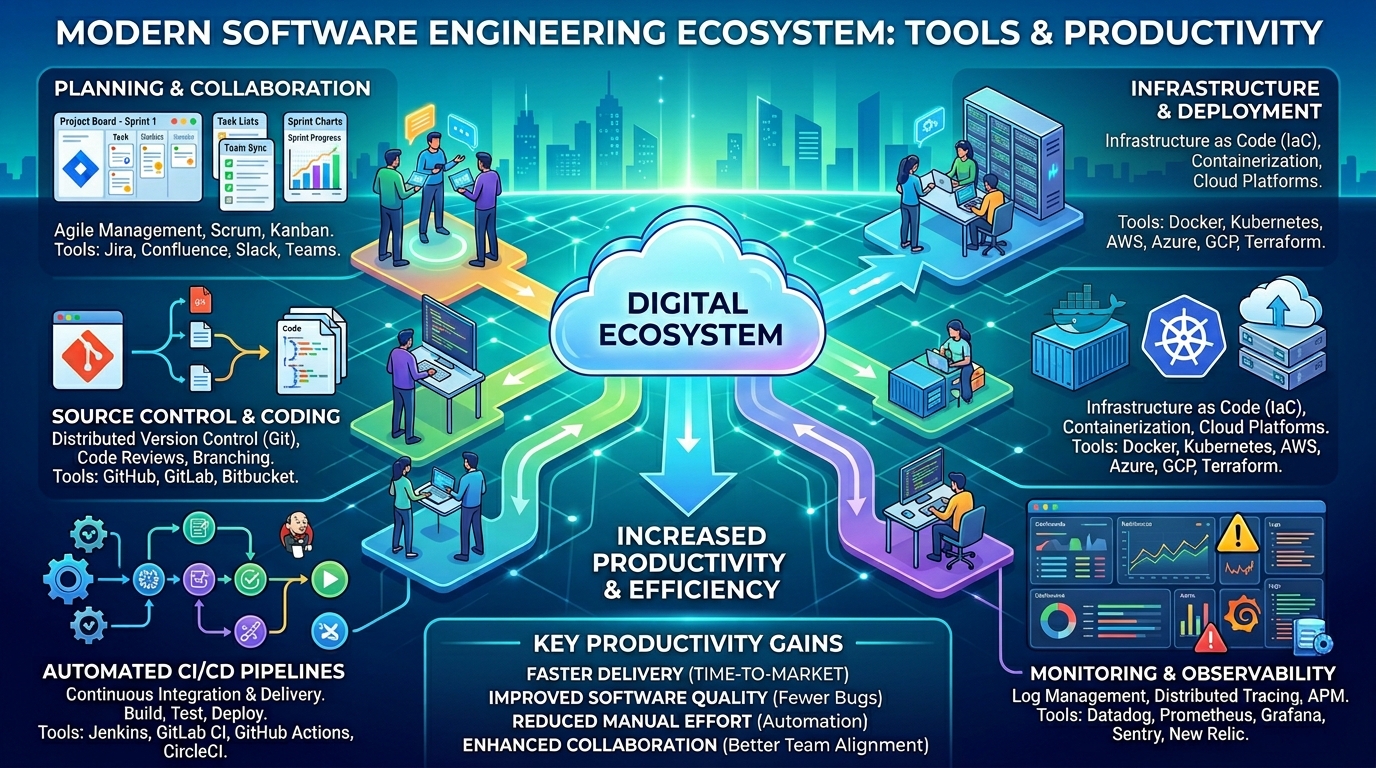
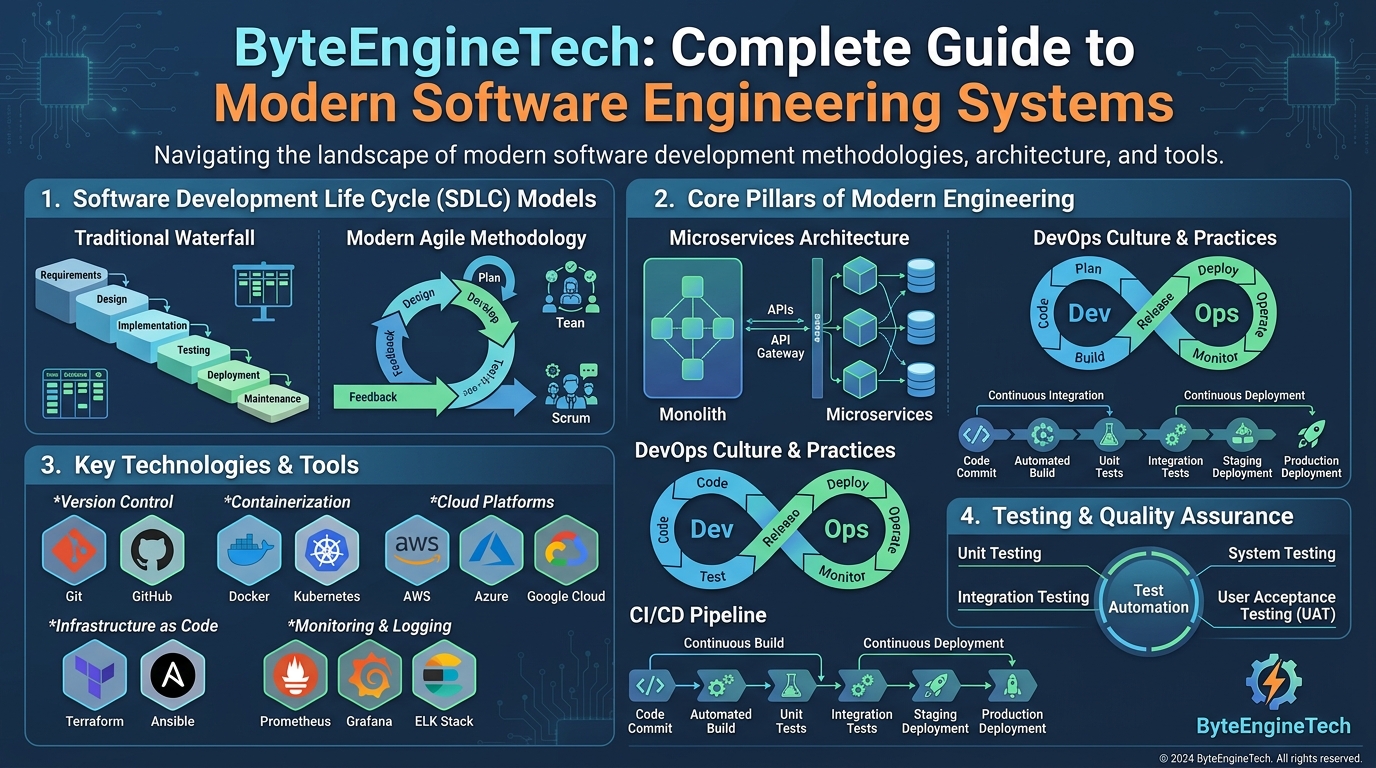
Modern software development relies on automated pipelines that connect coding, testing, and deployment into a continuous workflow. This allows developers to release updates faster while ensuring that every change is tested before reaching production. Continuous integration and continuous deployment improve speed, reliability, and software quality.
Automation handles repetitive engineering tasks such as testing, deployment, infrastructure setup, and monitoring. This reduces human error, improves consistency across environments, and allows developers to focus more on core feature development instead of operational work.
Server-Side Logic and Data Handling Systems
Backend systems handle the core functionality of applications that users do not directly interact with. This includes processing requests, managing authentication, handling APIs, and executing business logic. A strong backend ensures applications run securely, efficiently, and consistently under all conditions.
Backend systems also act as a bridge between frontend interfaces and databases. Every request is validated, processed, and transformed before data is stored or returned, ensuring accuracy and reliability across the entire system.
Developer Efficiency and Engineering Tooling
Modern software development depends on tools that improve productivity, collaboration, and system management. These include version control systems, cloud platforms, CI/CD pipelines, monitoring tools, and development environments that simplify complex workflows and reduce operational effort.
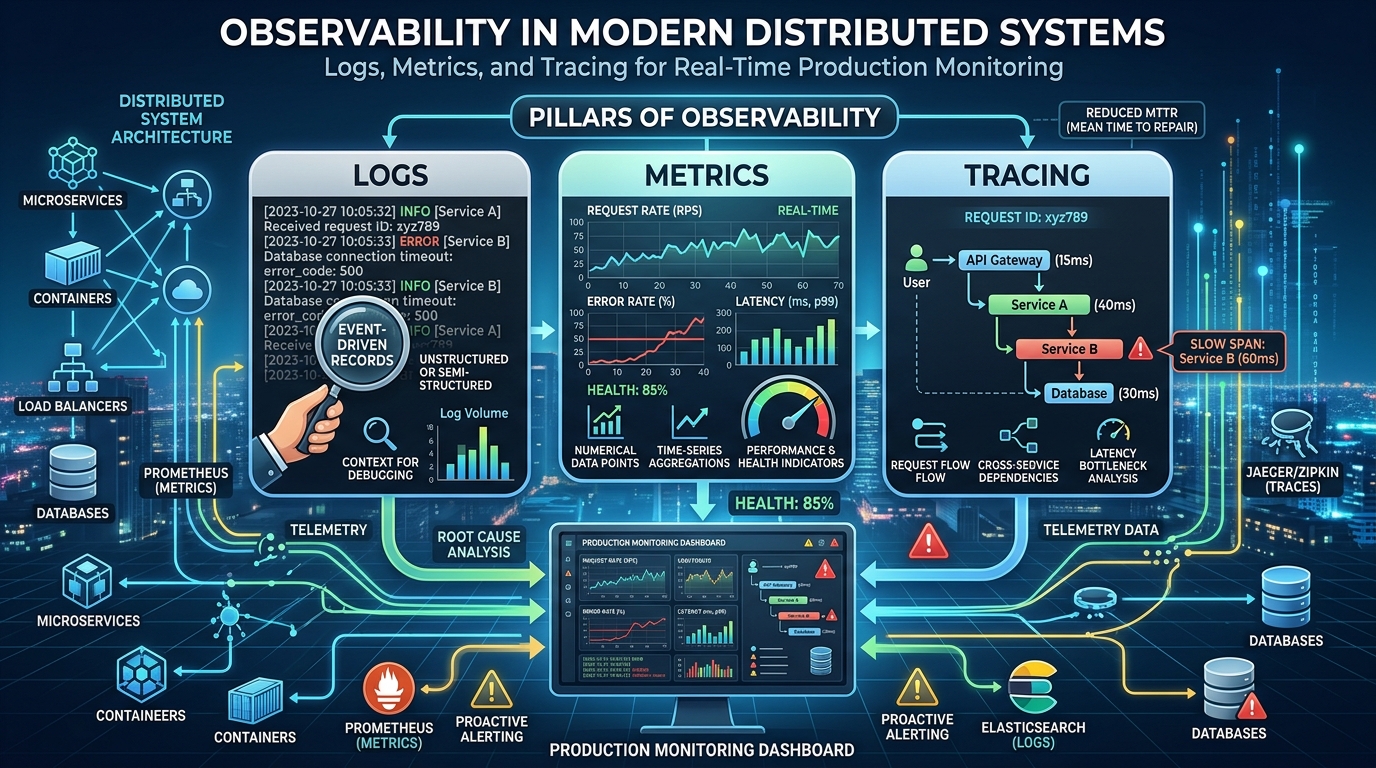
These tools also provide visibility into system behavior and performance. Developers can track changes, detect issues, and monitor systems in real time, which improves reliability and reduces debugging time significantly.
Frequently Asked Questions
What is ByteEngineTech
ByteEngineTech is a software engineering platform focused on system design, DevOps workflows, backend systems, and developer tools
What type of content does it provide
It provides practical engineering knowledge about real-world scalable software systems and production environments
Is it useful for beginners
Yes, beginners can learn both foundational and advanced engineering concepts used in real industry systems
Does it focus on practical learning
Yes, it focuses on real production systems instead of only theoretical explanations
Why are these topics important
These topics cover the complete software development lifecycle including architecture, deployment, backend processing, and optimization
Conclusion
ByteEngineTech provides a complete structured understanding of modern software engineering by connecting system architecture, automation, backend systems, and developer tools into one ecosystem. It helps developers understand how real production systems are designed, scaled, and maintained in real-world environments. This knowledge enables engineers to build reliable, efficient, and scalable applications that meet modern industry standards and support long-term system growth.