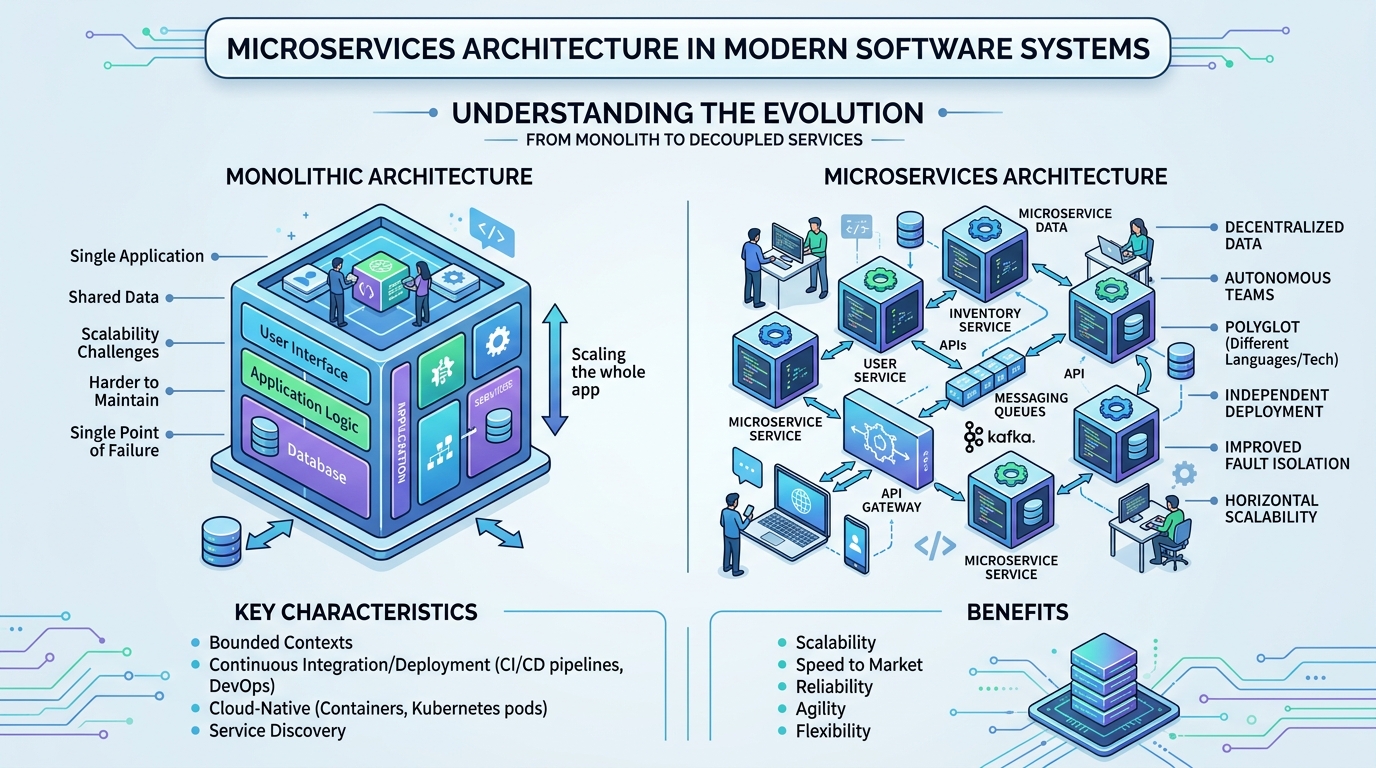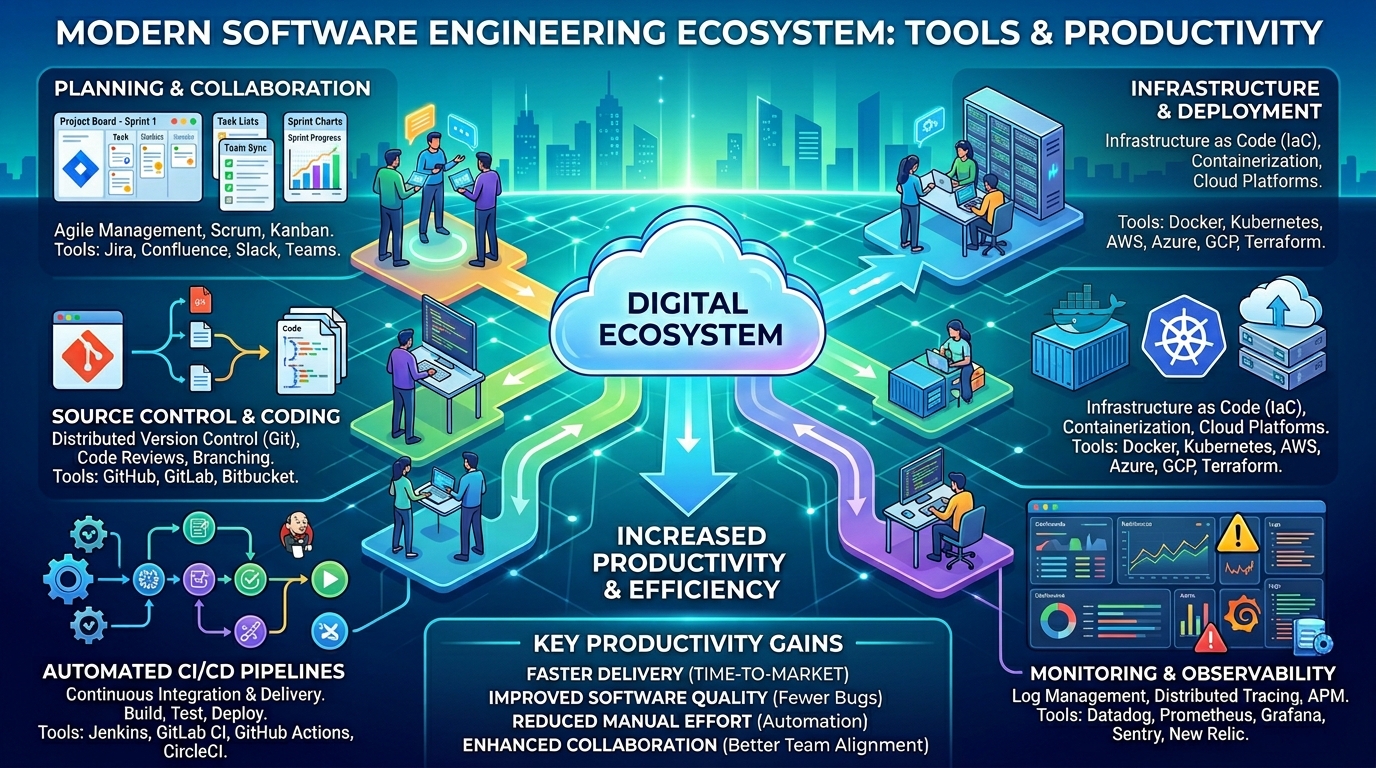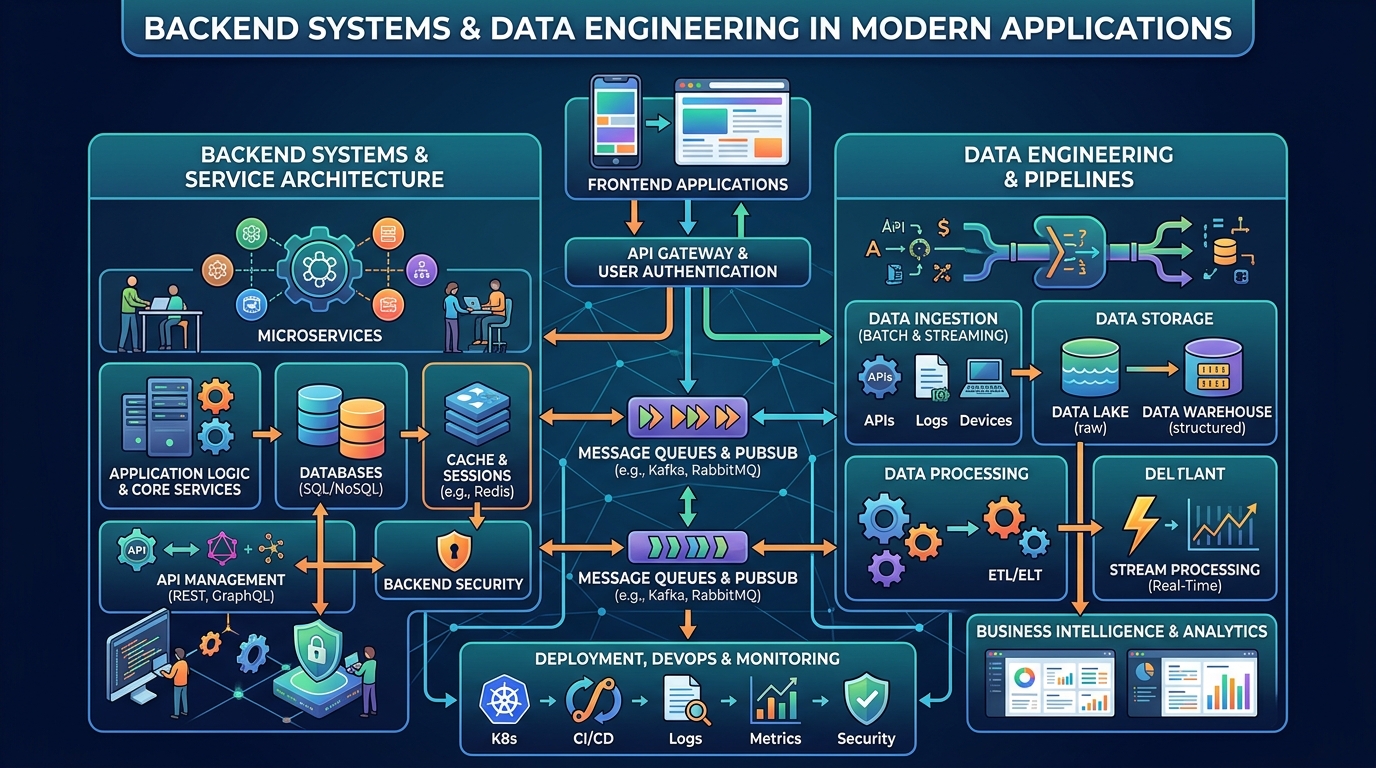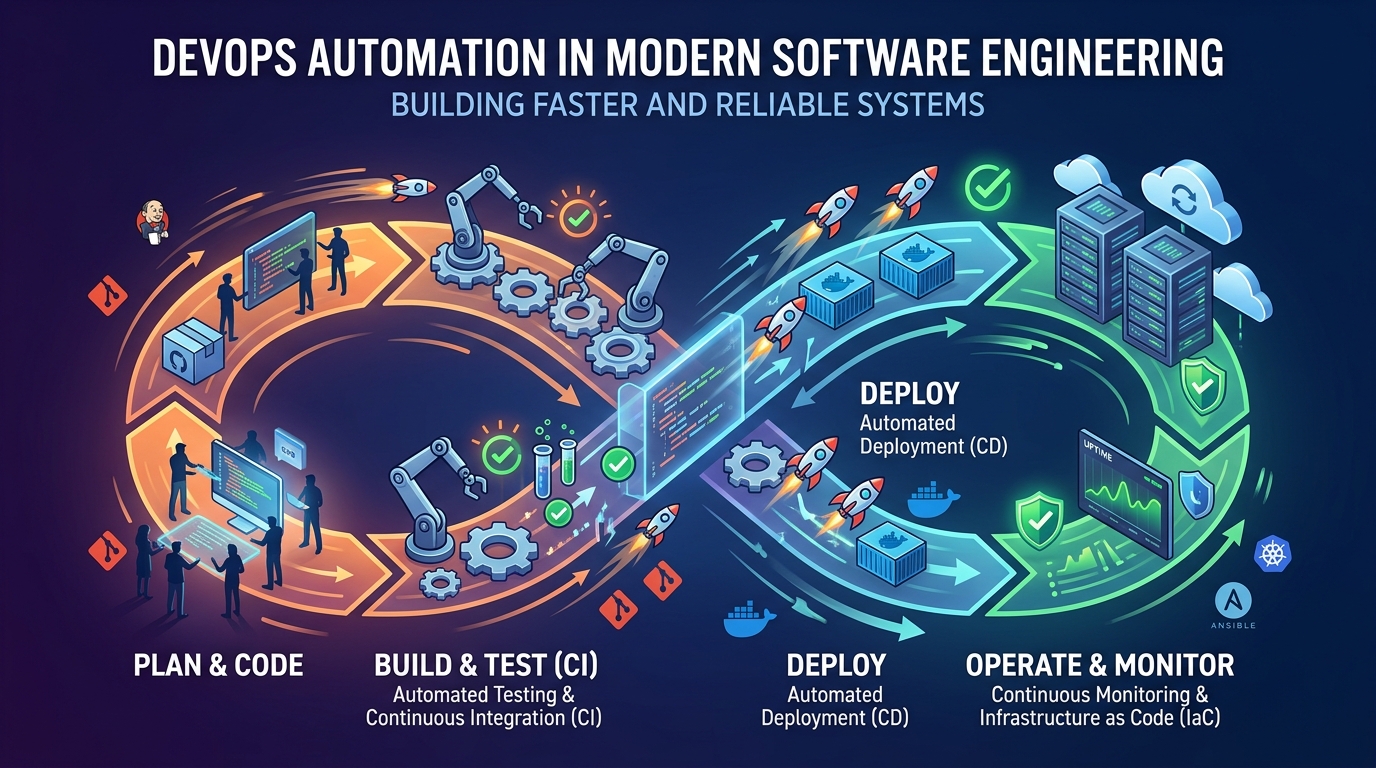

API design is one of the most important parts of modern backend engineering because it defines how different systems communicate with each other. A well-designed API ensures that applications are scalable, secure, and easy to maintain. In production environments, APIs act as the backbone of communication between frontend applications, backend services, and third-party integrations, making their structure and design critical for system performance.
RESTful API Structure and Resource Design
RESTful APIs are widely used in modern systems because they provide a simple and standardized way to organize endpoints. Each API endpoint represents a resource such as users, orders, or products, and operations are performed using standard HTTP methods like GET, POST, PUT, and DELETE.
Good resource design ensures that APIs remain intuitive and easy to use. Clear naming conventions and consistent endpoint structures reduce confusion for developers and make integration faster. This also improves long-term maintainability as systems grow in complexity.
Authentication and Security Layers in APIs
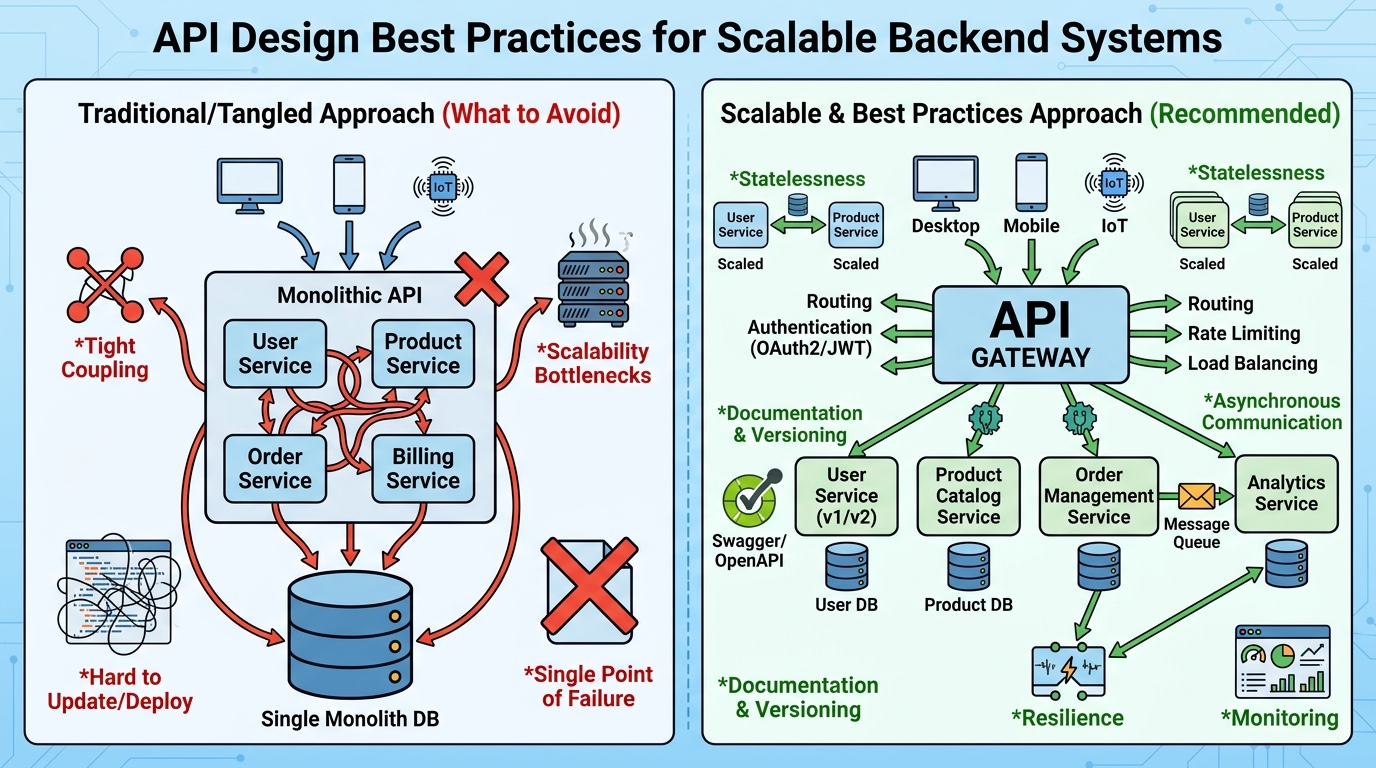
Security is a critical part of API design because APIs often handle sensitive user data and system operations. Authentication mechanisms like tokens, API keys, and OAuth are used to verify user identity and control access to resources.
Authorization ensures that users can only access data they are permitted to use. Proper security layers prevent unauthorized access, data leaks, and malicious attacks. Encryption and secure communication protocols also play an important role in protecting API traffic.
Versioning and Backward Compatibility
As applications evolve, APIs need to be updated without breaking existing integrations. API versioning allows developers to introduce new features while maintaining support for older clients. This ensures smooth transitions between different system updates.
Backward compatibility is essential in large systems where multiple clients depend on the same API. Proper version management ensures that older applications continue working even after new updates are released, reducing disruption and improving stability.
Optimized Performance
API performance directly impacts user experience and system efficiency. Techniques like caching, pagination, and request optimization help reduce server load and improve response times. Efficient query handling also plays a major role in improving performance.
Load balancing and asynchronous processing are used in high-traffic systems to distribute requests evenly and prevent bottlenecks. These optimizations ensure that APIs remain fast and responsive even under heavy usage conditions.
Frequently Asked Questions
What is an API in backend systems
An API is a communication interface that allows different software systems to interact with each other.
Why is REST API popular
It is simple, scalable, and uses standard HTTP methods for communication between systems.
What is API authentication
It is the process of verifying the identity of users or systems accessing an API.
Why is API versioning important
It allows updates to be made without breaking existing applications that use older versions.
How can API performance be improved
Through caching, load balancing, pagination, and optimized request handling.
Conclusion
API design is a fundamental part of backend engineering that directly impacts system scalability, performance, and security. By following best practices like proper resource design, strong authentication, versioning, and performance optimization, developers can build reliable and efficient APIs. Well-designed APIs ensure smooth communication between systems and support long-term growth of modern software applications.