
Event-driven architecture is a modern software design approach where systems react to events instead of following a strict sequence of requests. An event can be anything that happens inside a system such as a user action, a database update, or a service response. This architecture is widely used in scalable backend systems because it allows applications to respond in real time, handle large workloads, and remain loosely coupled.
Event Producers and Consumers in System Design
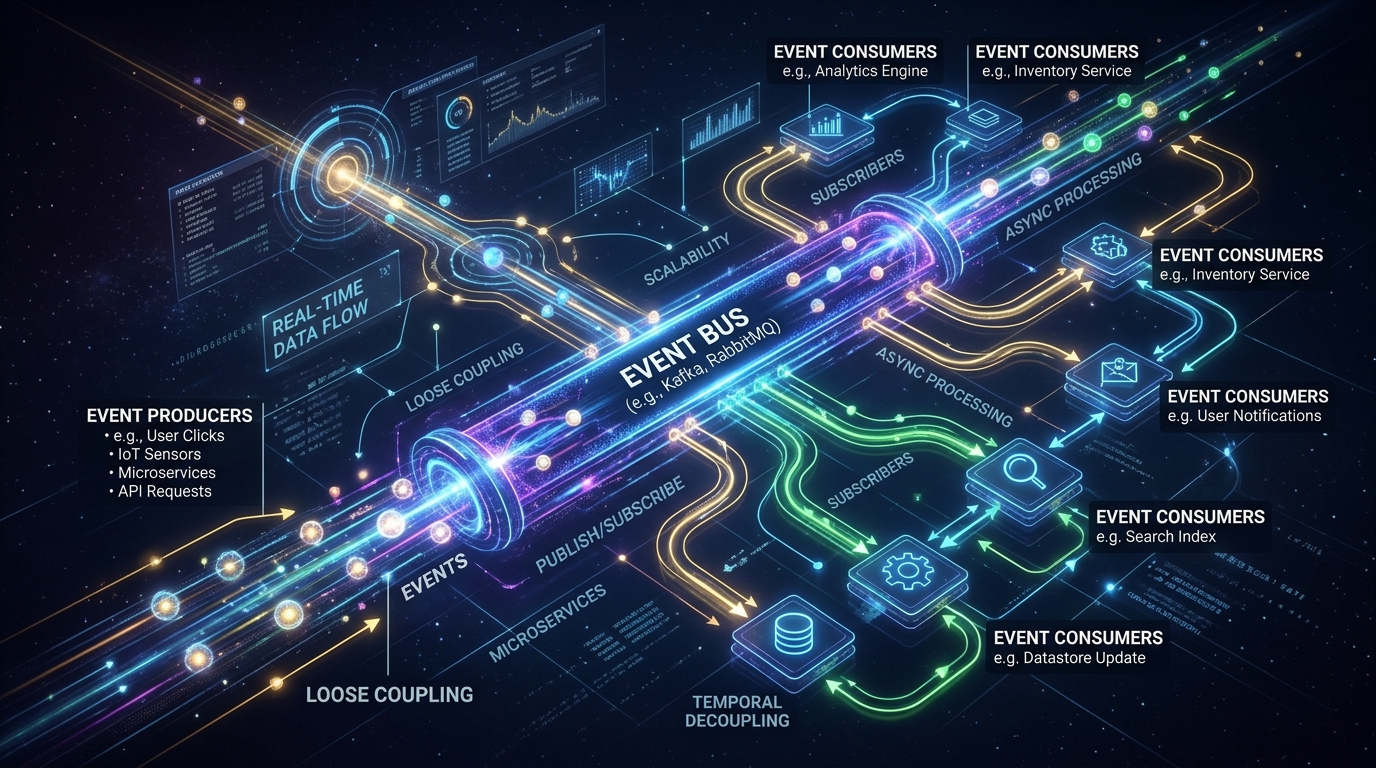
In event-driven systems, components are divided into event producers and event consumers. Producers are responsible for generating events when something happens in the system, while consumers listen to these events and perform actions based on them. This separation improves flexibility because both sides operate independently.
This design allows systems to scale more easily because multiple consumers can process the same event simultaneously. It also improves maintainability since new features can be added by simply introducing new consumers without modifying existing services.
Message Queues and Event Streaming Systems
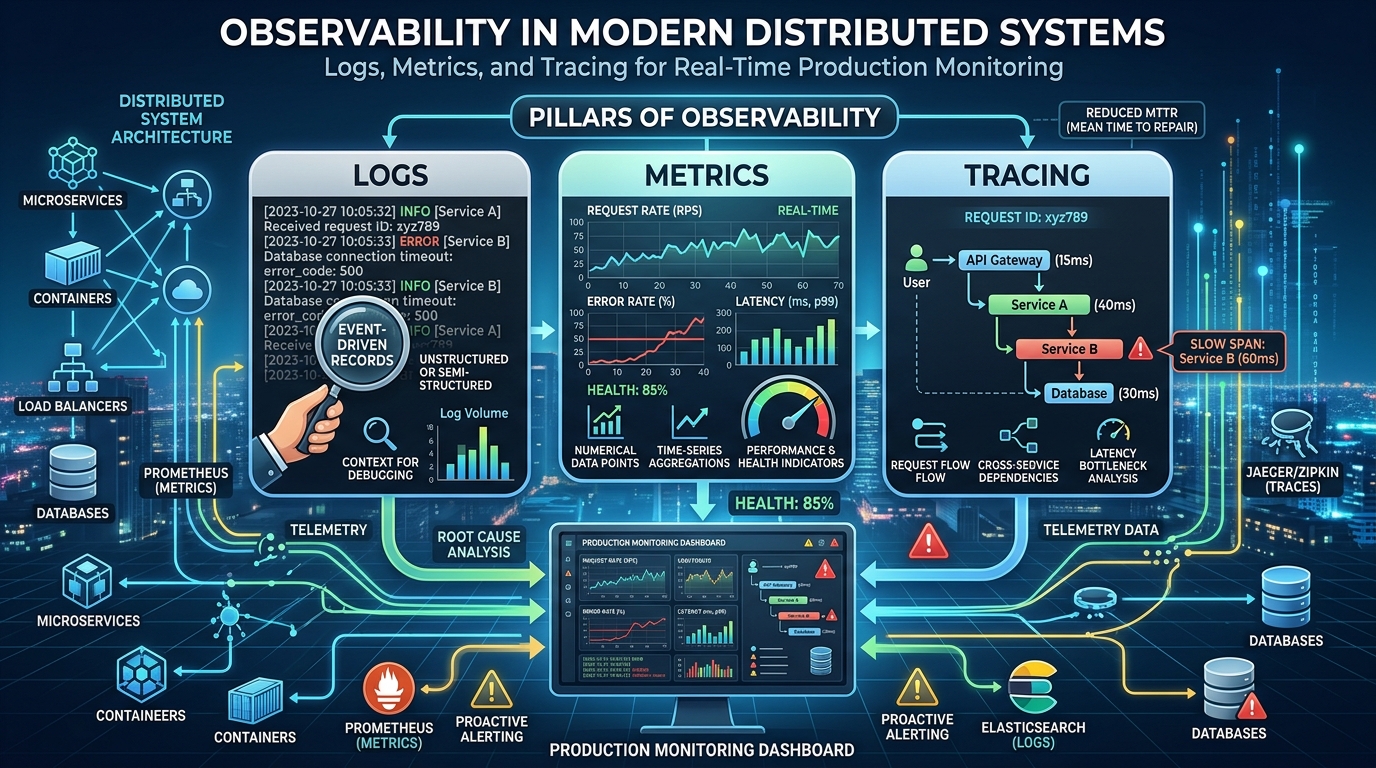
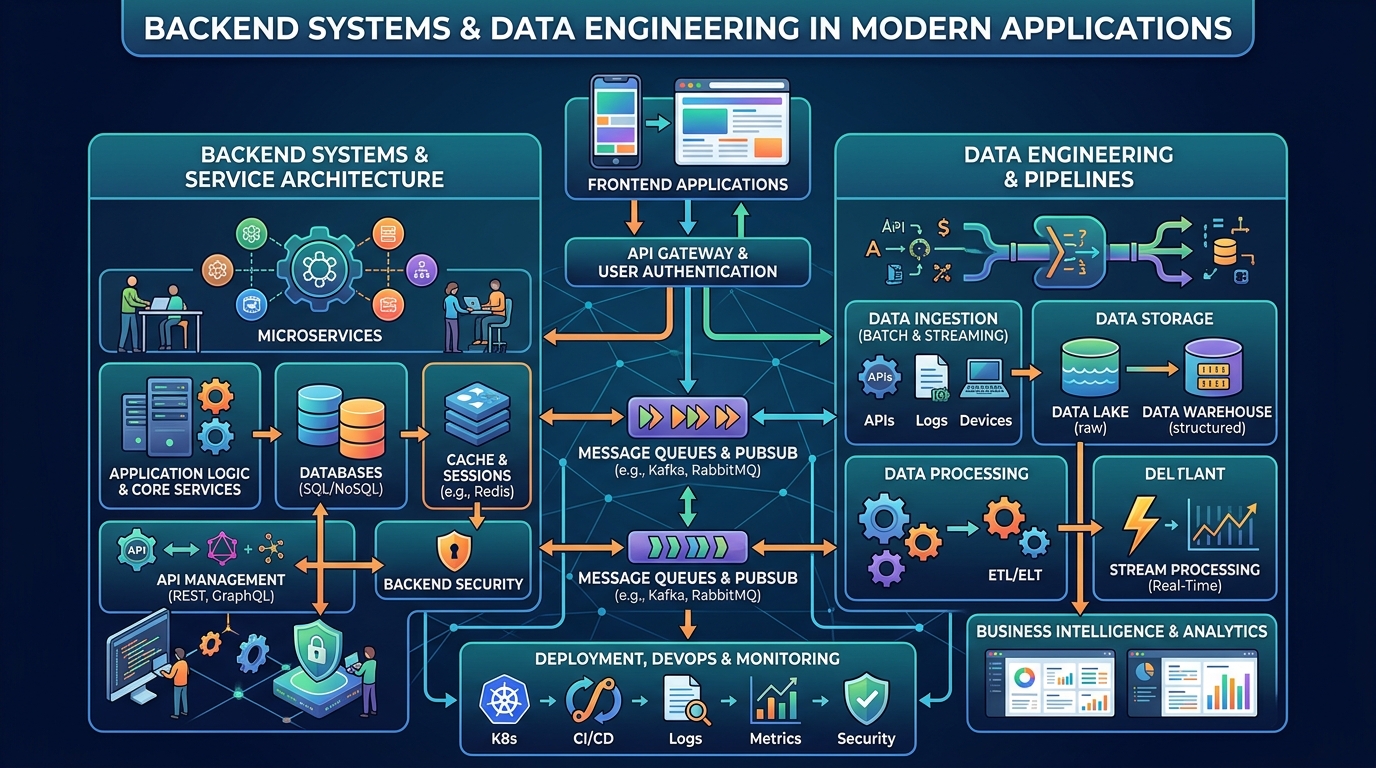
Message queues play a central role in event-driven architecture by acting as intermediaries between producers and consumers. They store events temporarily and deliver them when consumers are ready to process them. This ensures reliable communication even if some services are temporarily unavailable.
Event streaming systems take this concept further by continuously processing large volumes of real-time data. These systems are used in applications that require instant updates, such as monitoring platforms, financial systems, and real-time analytics engines.
Scalability and Loose Coupling Benefits
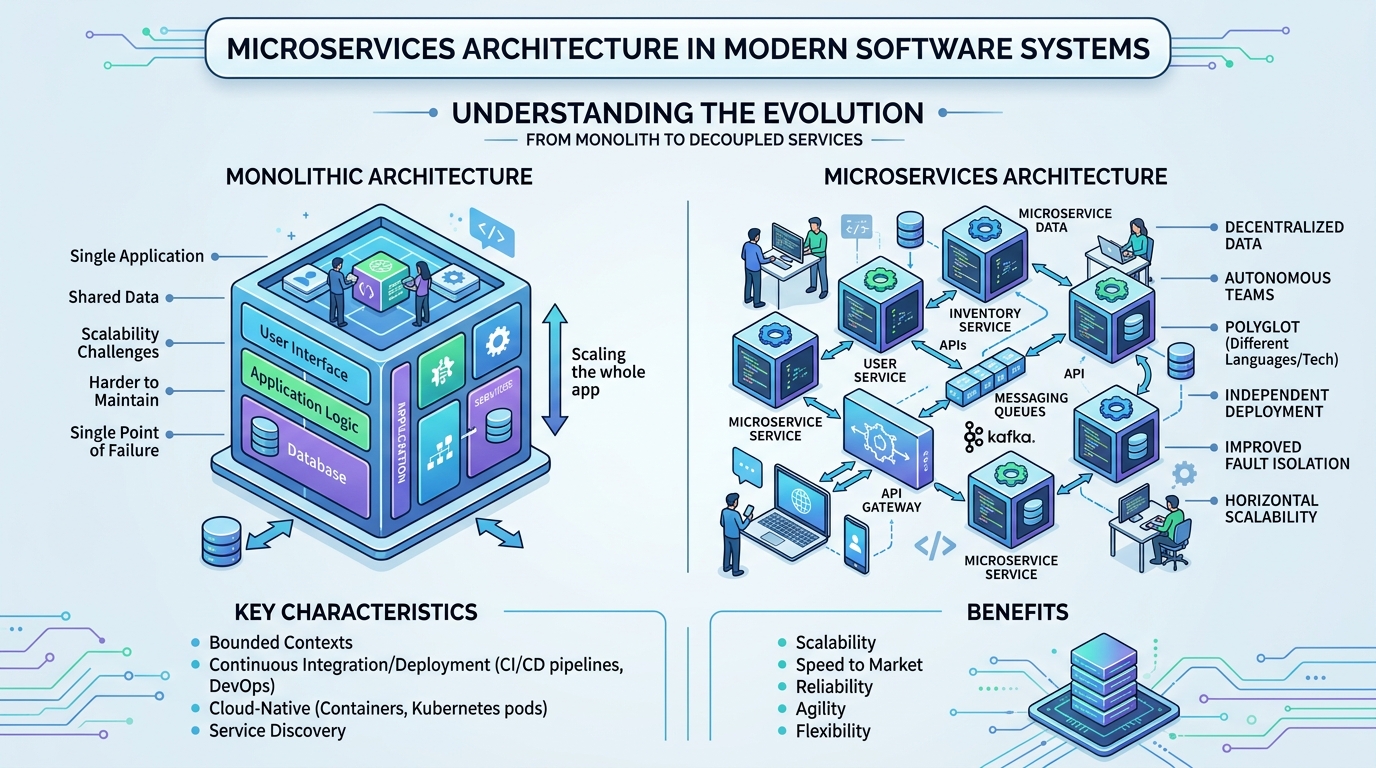
One of the biggest advantages of event-driven architecture is scalability. Since services do not directly depend on each other, they can be scaled independently based on demand. This makes it easier to handle high traffic without affecting system performance.
Loose coupling is another key benefit where services are not tightly connected. This means changes in one service do not directly impact others. It improves system flexibility and allows teams to develop and deploy features faster without breaking existing functionality.
Fault Tolerance and System Resilience
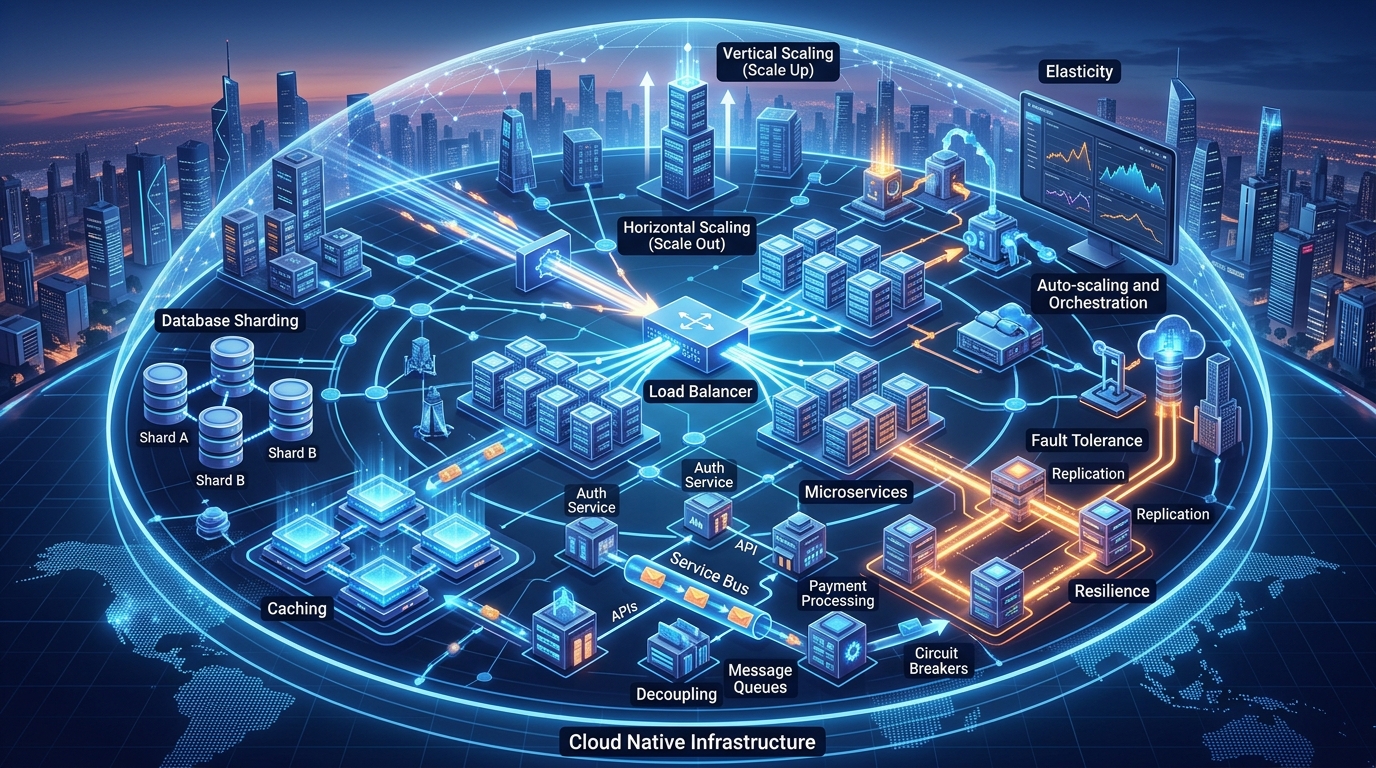
Event-driven systems are highly resilient because events are stored and processed asynchronously. If a service fails, events can be retried or processed later without losing data. This ensures that no critical information is lost during temporary failures.
This architecture also improves system stability in distributed environments. By decoupling services and using message queues, systems can recover gracefully from failures and continue operating without major disruptions.
Frequently Asked Questions
What is event-driven architecture
It is a system design approach where components communicate through events instead of direct requests.
What is an event in software systems
An event is any action or change in a system such as a user login or data update.
What are event producers and consumers
Producers generate events while consumers process and react to those events.
Why are message queues used
They store and manage events between services to ensure reliable communication.
What is the main benefit of event-driven systems
They improve scalability, flexibility, and fault tolerance in distributed systems.
Conclusion
Event-driven architecture is a powerful approach for building modern scalable systems that need real-time responsiveness and high reliability. By using events, message queues, and loosely coupled services, developers can create systems that are flexible, fault-tolerant, and capable of handling large-scale workloads efficiently. This makes it an essential design pattern in today’s distributed software environments.