
Scalable system design is the foundation of modern software engineering, where applications are built to handle growth in users, data, and traffic without losing performance. Instead of focusing only on building features, engineers design systems that can expand smoothly when demand increases. This approach ensures that applications remain stable, fast, and reliable even in large-scale production environments used by thousands or millions of users.
Breaking Systems into Modular Components
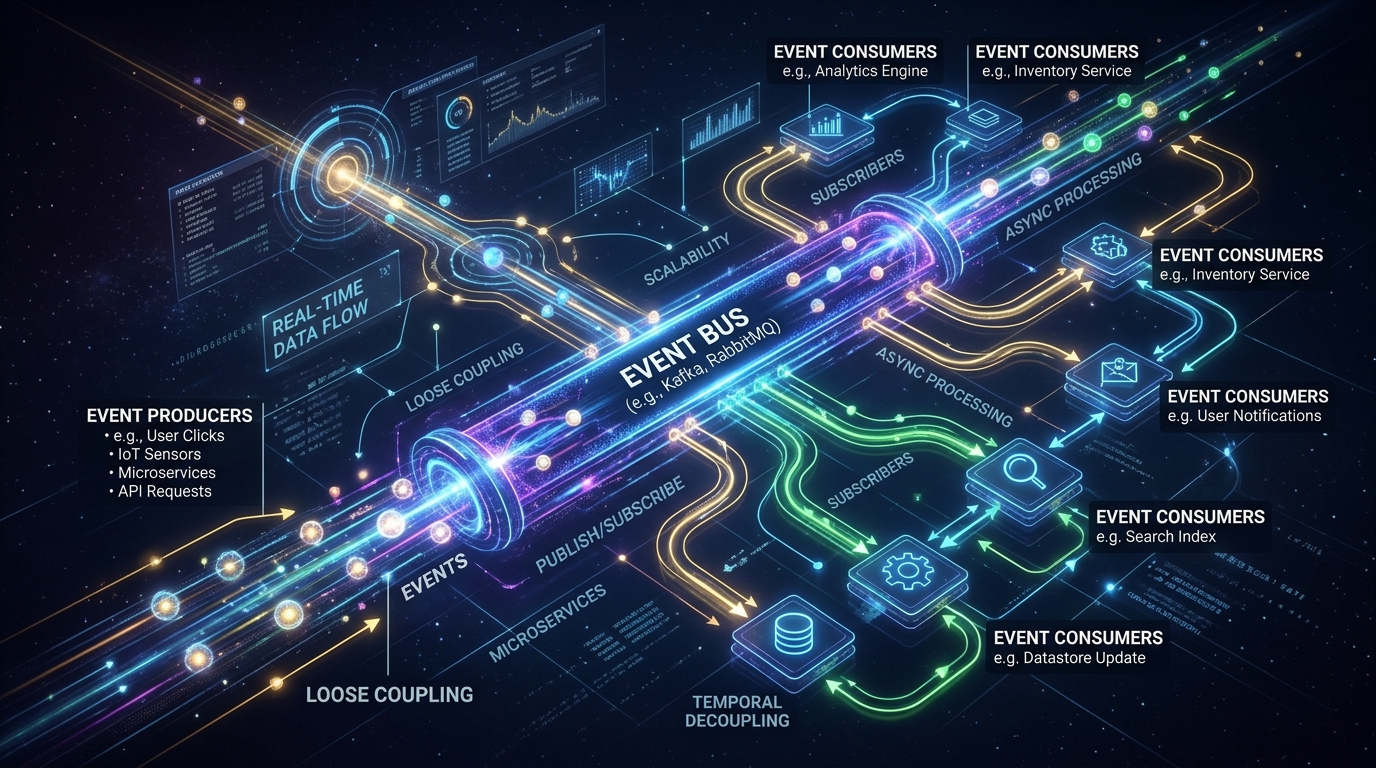
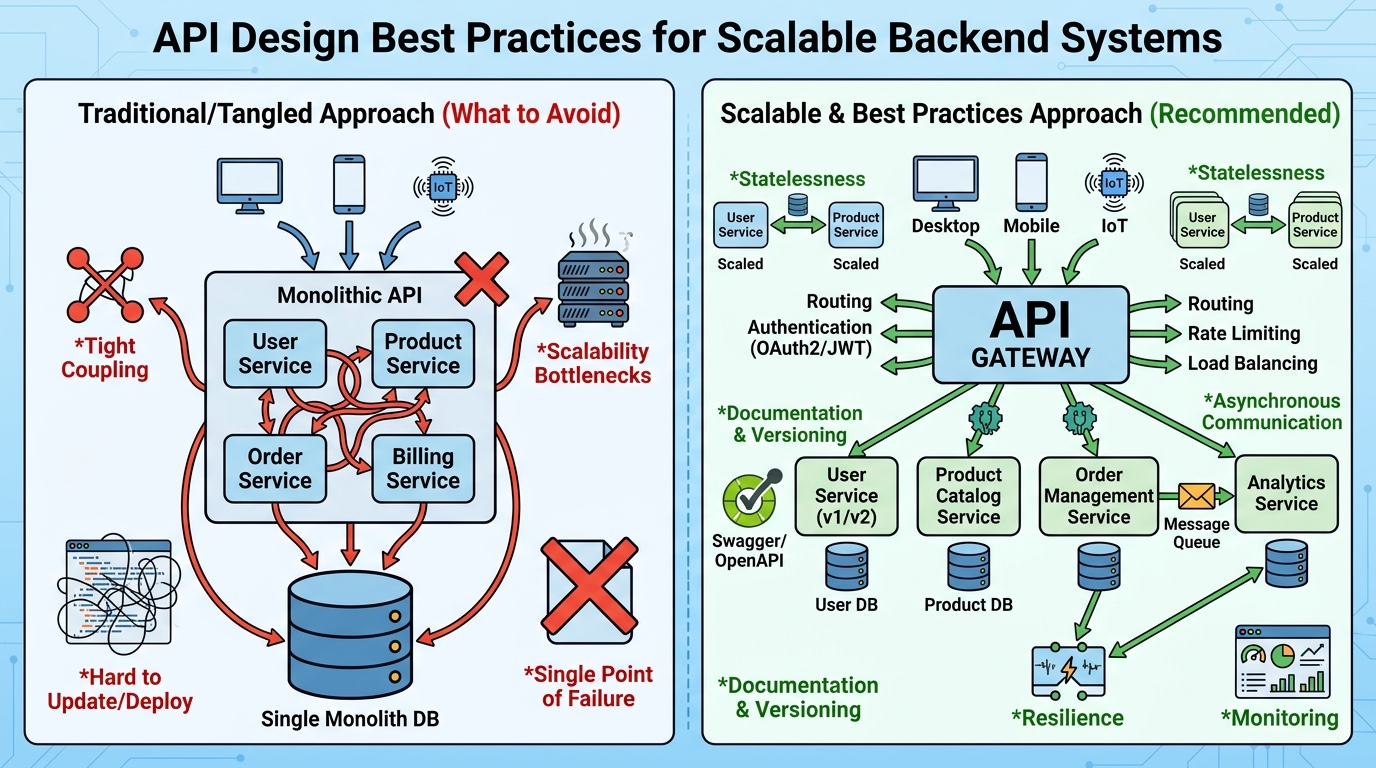
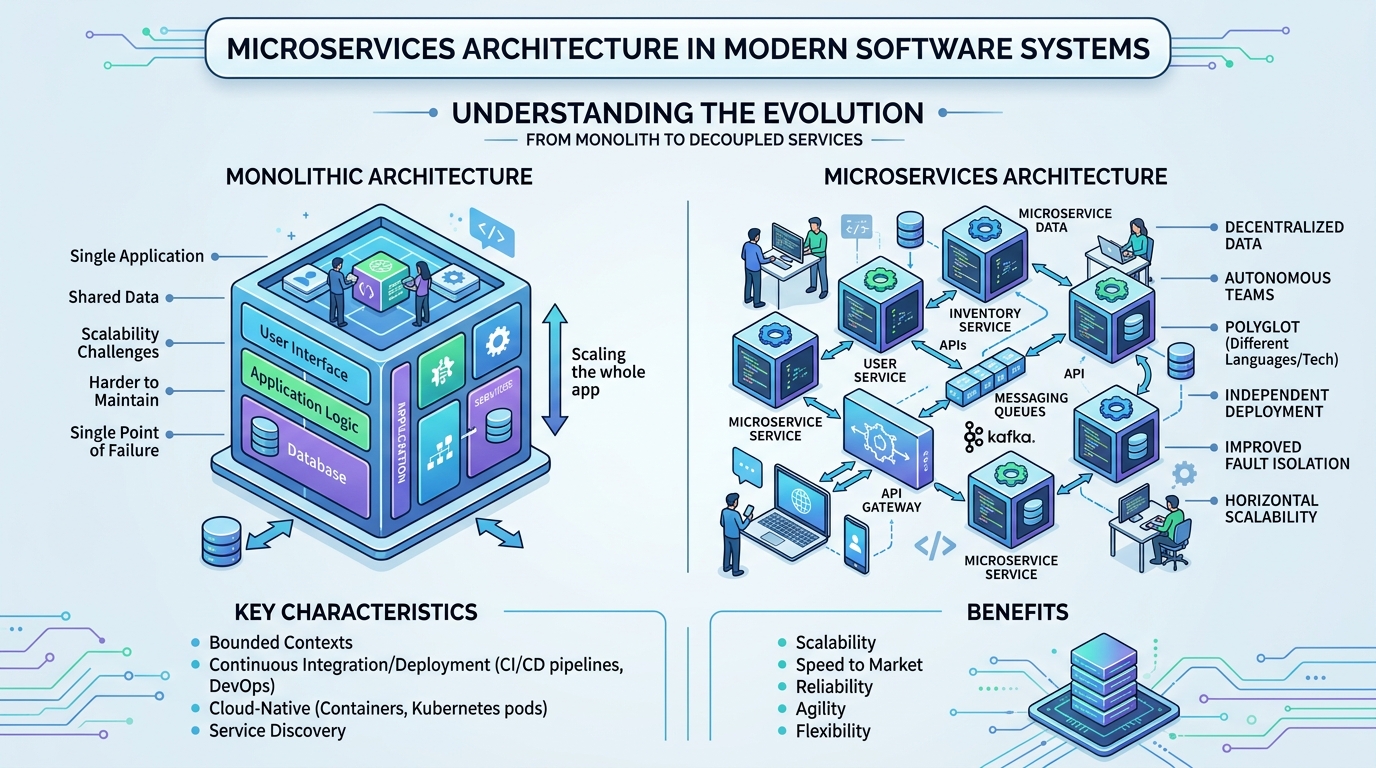
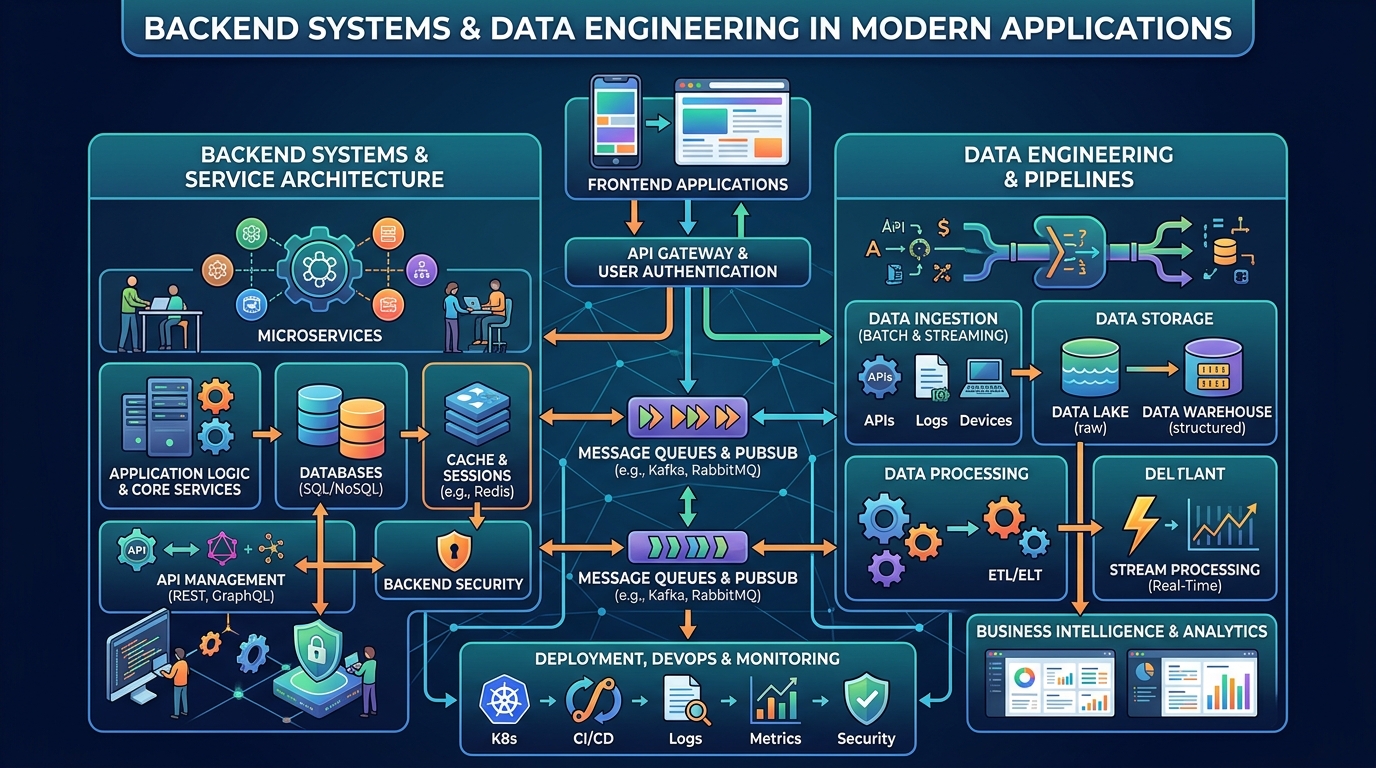
Modern system design relies heavily on breaking applications into smaller, independent components. These components can include services, APIs, databases, and background workers that each handle a specific responsibility. This separation allows engineers to develop, test, and scale each part independently without affecting the entire system.
Modular architecture also improves maintainability and flexibility. When one part of the system needs an update, it can be modified without rebuilding the entire application. This reduces development risk and makes long-term system evolution much easier to manage in production environments.
Load Management and Performance Optimization
Handling increasing traffic is one of the biggest challenges in system design. Engineers use load balancing techniques to distribute incoming requests across multiple servers, ensuring that no single system becomes overloaded. This helps maintain consistent performance even during peak usage.
Performance optimization also includes caching frequently accessed data, reducing database load, and optimizing API response times. These techniques ensure that users experience fast and smooth application performance even when the system is under heavy demand.
Distributed Systems and Fault Tolerance
Modern applications often use distributed systems where different components run across multiple servers or regions. This design improves reliability because if one server fails, others can continue handling requests without interruption. It also enhances scalability by allowing systems to expand horizontally.
Fault tolerance is a key part of distributed systems. Engineers design systems to automatically recover from failures using redundancy and backup mechanisms. This ensures high availability and minimizes downtime, which is critical for real-world applications like e-commerce, banking, and social platforms.
Data Consistency and System Reliability
Maintaining data consistency across distributed systems is a major engineering challenge. Systems must ensure that data remains accurate and synchronized even when multiple services are updating it simultaneously. Techniques like replication and consensus algorithms help maintain consistency.
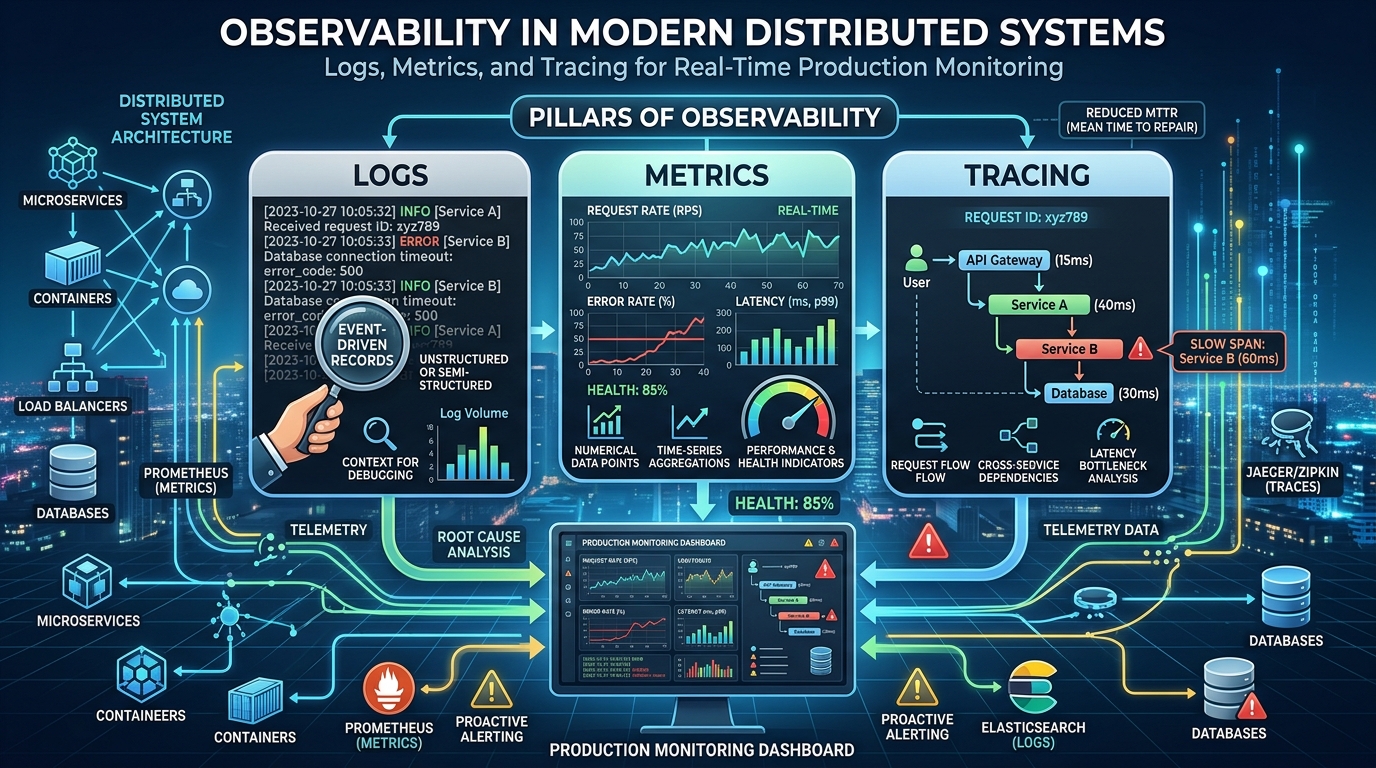
Reliability also depends on proper error handling and monitoring. Systems are continuously monitored to detect failures early, allowing engineers to fix issues before they affect users. This proactive approach improves system stability and user trust over time.
Frequently Asked Questions
What is scalable system design
It is an approach in software engineering where systems are built to handle increasing users and data without performance issues.
Why is modular architecture important
It allows systems to be divided into smaller components that are easier to build, maintain, and scale independently.
What is load balancing in system design
It is a technique used to distribute traffic across multiple servers to prevent overload and maintain performance.
What are distributed systems
They are systems where components run on multiple servers or locations to improve scalability and reliability.
Why is fault tolerance important
It ensures that a system continues working even if some components fail, reducing downtime and improving reliability.
Conclusion
Scalable system design is essential for building modern software applications that can handle real-world usage at scale. By using modular architecture, load balancing, distributed systems, and fault tolerance techniques, engineers create applications that are fast, reliable, and capable of growing with demand. These principles form the backbone of all large-scale systems used in today’s digital world.