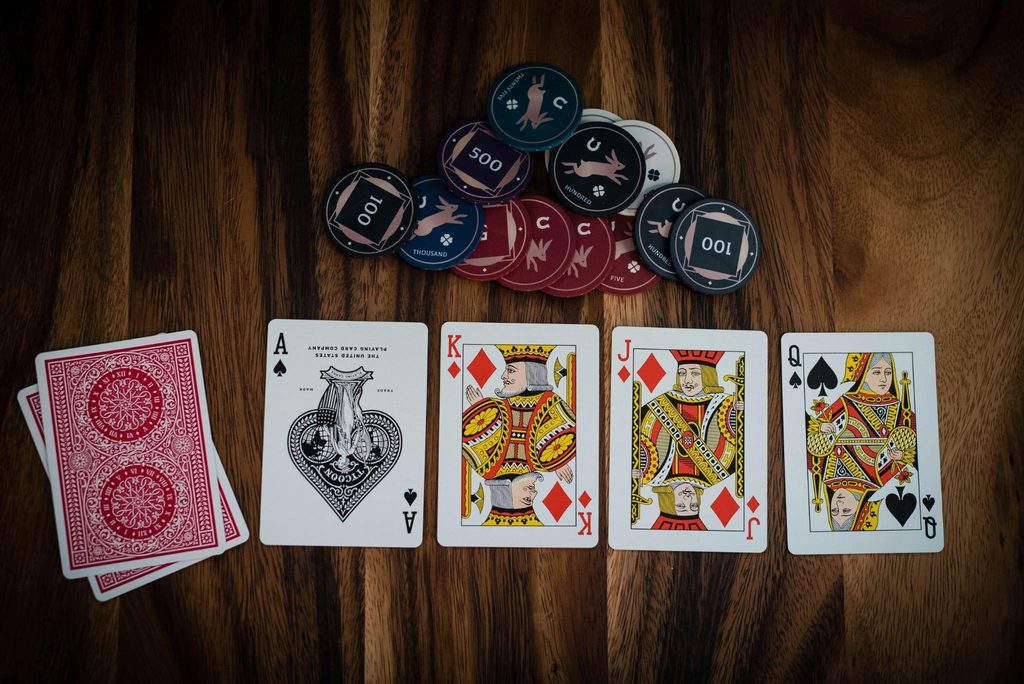
Smart play at the card table isn’t left to chance. If you track what cards players have seen, discarded, and picked up, it will help you decide which cards to keep, which strategies to pursue, and when your turn is. Seeing the cards open to all players makes the game more tangible than guessing.
Why Card Tracking Matters in Every Round?
In Tongits, every card you see contains information. When an opponent discards a card, it may clue you into which sets they aren’t trying to make; after drawing and discarding, it may also suggest which cards an opponent is trying to set aside.
But those signals don’t tell us what someone else has. Instead, we want to use those clues and, with the information we have, make good choices and adapt as the game changes.
Remember the Cards Discarded by Other Players
Begin keeping track of the discard pile. Don’t feel you have to remember everything right away. Try to remember the cards that could save you, as well as the cards that could make your opponent’s hand.
So, for instance, maybe you have a seven and an eight of hearts. When another player discards a six of hearts, you know that, if you play it, it can make a run with the rest of your cards. Since it’s already been played and is in plain sight, you shouldn’t rely on getting it from the pile.
Watch Which Cards Your Opponents Collect
Other players picking up cards can give you an idea of what they’re holding. If a nine is discarded, it could be part of a run or meant to gather the same ranks of cards. Remember this when you consider discarding cards.
Do not assume you know their precise hand. They could hold several possible combinations, and a single draw does not reveal their full strategy. Instead, use these observations to recognize potential risks before deciding on your next move.
Track Cards That Could Complete Your Sets
Focus on your own hand. Identify which cards you need to complete either three of a kind or a straight flush (a sequence of consecutive cards in the same suit).
Now let’s say you have two queens and are waiting on another. If you have seen a few other queens thrown away or collected, the remaining copy is less likely to appear than you thought. Think about whether it’s really worth holding the pair or if another scenario might be better.
Use Card Tracking to Choose Safer Discards
A card you consider to be worthless might be what someone else needs to complete a combination. Check out their collected cards and used cards before throwing yours away.
If you notice your opponent is even slightly keen on a certain rank or suit, don’t feed him another card that might strengthen his hand if you have an option.
Wrapping Up
Tracking visible cards will help you spot opportunities, avoid needless hazards, and adjust your strategy as the round develops. It is most effective together with patience and careful observation, and bearing in mind that even your best opponent can still deceive you. In your next game, choose one card combination to track and notice how other players’ actions influence your choices. Make this a habit, reflect on which decisions worked, and use each round to build a more considered strategy.